
Selecting the right base of operations during the peak migration of Pacific salmon is a decision that defines the success of an entire Alaskan expedition. A premier Salmon run lodge must provide more than just proximity to the water; it must offer a strategic advantage through real-time data, professional-grade equipment, and a deep understanding of species-specific behavior. As millions of fish begin their journey from the saltwater into the tributaries of Bristol Bay, the difference between a productive trip and a frustrating one often comes down to the lodge's ability to adapt to shifting conditions. We believe that a world-class facility should serve as a sanctuary where technical angling expertise and high-end hospitality meet.
Technical Tactics for the Silver and Chum Runs
When you stay at a specialized Salmon run lodge, you should expect guides who understand the nuances of non-King species. For example, Silver salmon are curious by nature and will often follow a fly or lure for long distances before committing, sometimes striking right at the boat's gunwale. This visual aspect allows anglers to experiment with retrieves, speeding them up or slowing them down based on the fish's reaction. Similarly, Chums are notoriously aggressive; it is common to see a Chum move 20 or more feet just to chase down a flashy spinner or streamer. Both species favor bright, high-visibility patterns in pink, purple, and chartreuse.
The Strategic Value of Specialized River Infrastructure
The power of the Nushagak requires more than a standard fishing boat. A top-tier lodge utilizes spacious 20-foot river sleds that allow plenty of room for both gear and movement. These boats are essential for hovering near "hot spots" where fish congregate in the current. While much of the fishing is boat-based, a well-located lodge also offers easy bank access when the runs are thick. For fly anglers, we recommend an eight-weight or nine-weight single-hand rod. Using a floating line with a sinking fly is often sufficient in slow, shallow resting areas, but a sinking tip line is a technical necessity for deeper or faster sections of the river.
Diversifying the Catch in the Alaskan Backwaters
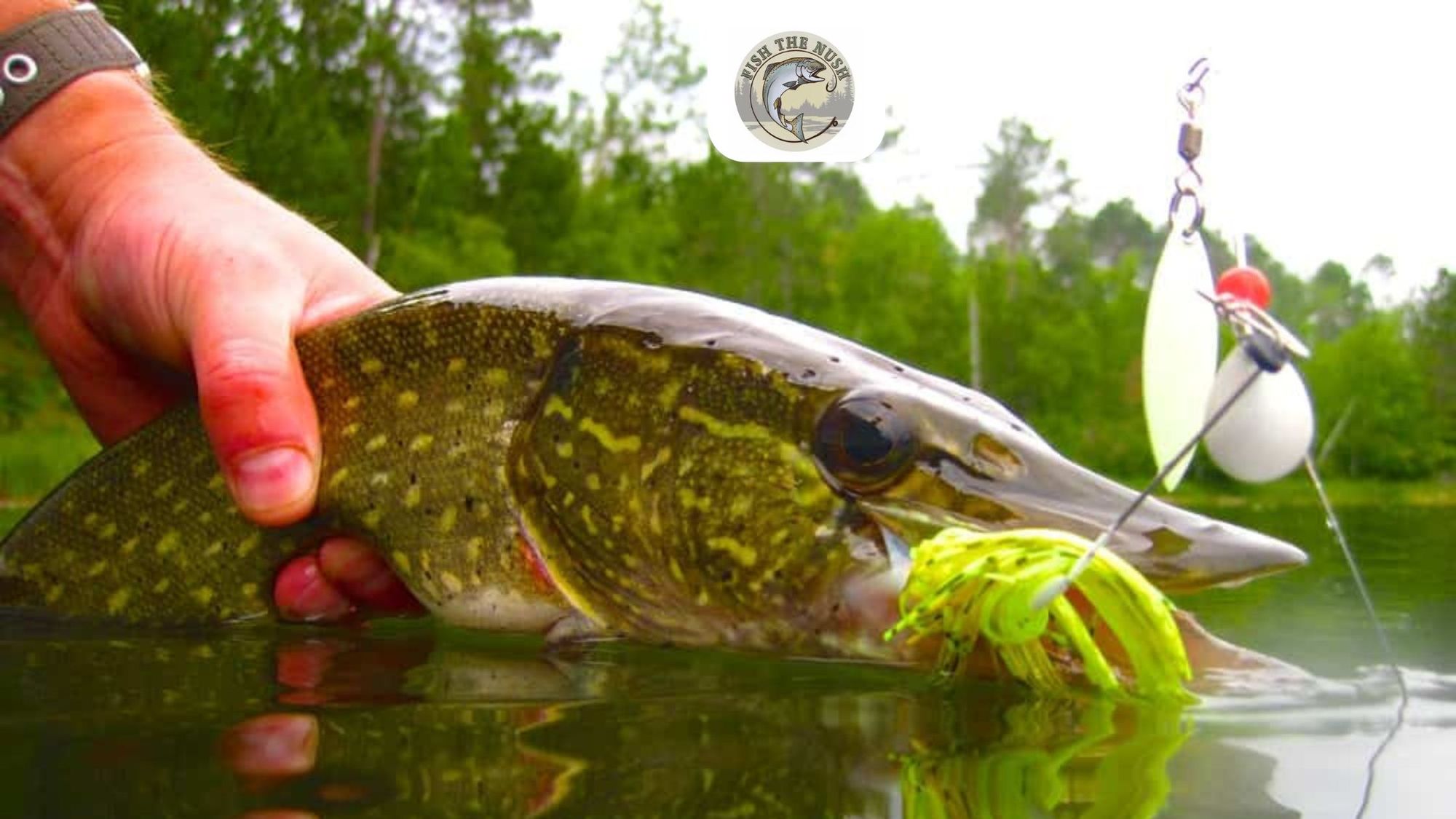
While salmon are the primary draw, the versatility of the ecosystem is what makes a Bristol Bay experience truly unique. During the heat of the summer, or when salmon numbers are shifting, many guests find excitement in targeting Northern Pike in Alaska. These apex predators hide in the slow-moving sloughs and weed beds, offering an explosive alternative to river-current fishing. Because Pike are ambush predators, they require a different tactical approach than salmon, often involving heavy leaders and large, vibrating lures. Having a lodge that can pivot from the main channel to these quiet backwaters ensures that you never have a "slow" day, regardless of what the sonar counts show for the salmon migration.
Are you ready to witness the greatest migration on Earth from the best seat in the house?
At Fish The Nush, we have built a reputation on providing an immersive experience that respects both the power of the river and the needs of the modern angler. We understand that a trip to the Nushagak is a significant investment, and our mission is to ensure every cast counts. By combining the data-driven precision of sonar tracking with the comfort of our luxury riverfront cabins, we offer a gateway to the wild that doesn't require you to sacrifice quality. Whether you are chasing the legendary King run, the acrobatic Silvers, or the aggressive Chums, our team is dedicated to your success. Join us this season and discover why we are the premier choice for your next Alaskan adventure.